A common point of confusion
New customers often ask us to compare "sheesham" and "walnut" as if they're two different woods. They're not directly comparable — sheesham is the wood, walnut finish is a polish color, and most walnut-finished pieces in our workshop are built from sheesham underneath.
What sheesham wood is
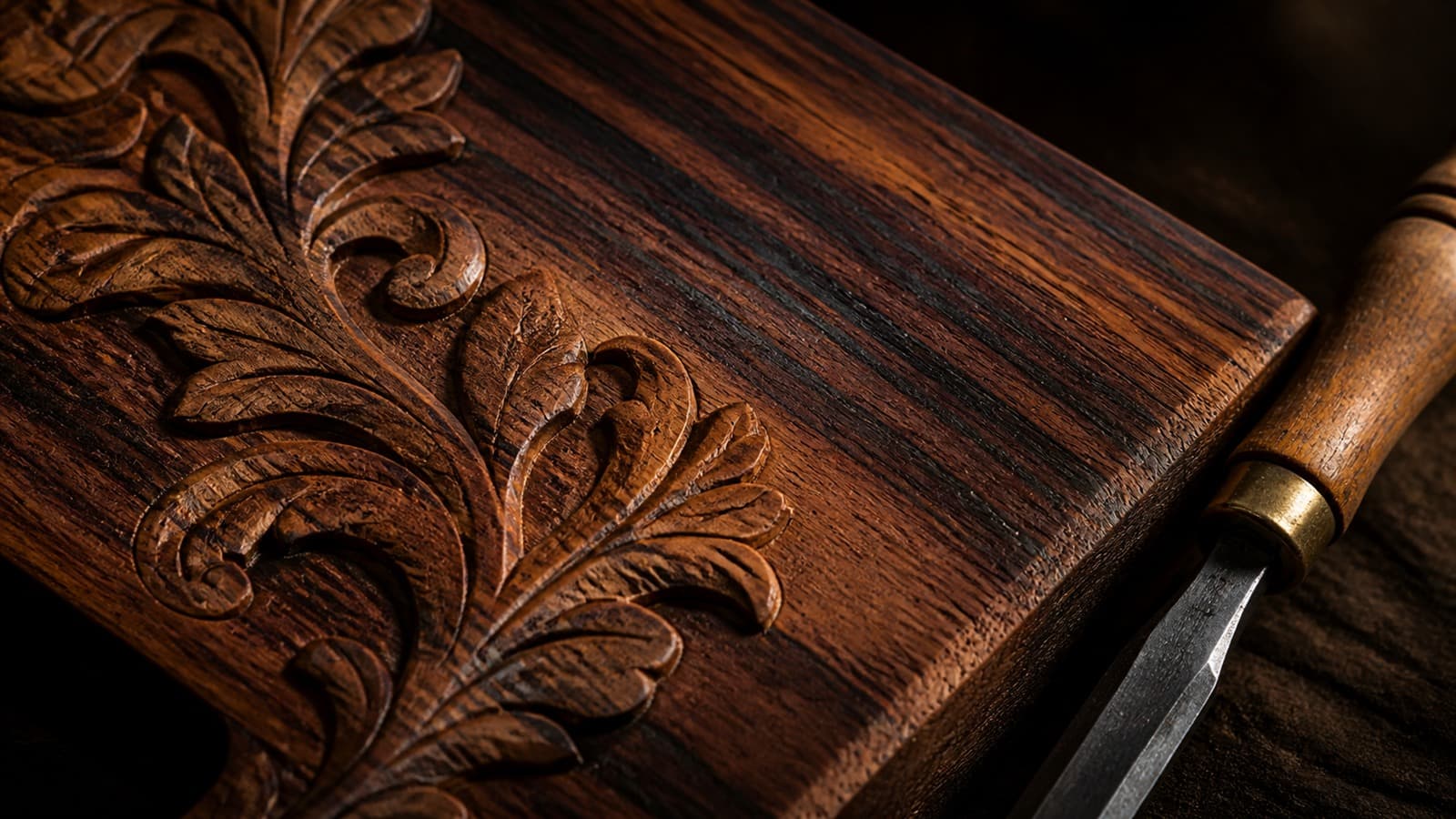
Sheesham is the raw material — a dense, dark-grained hardwood. Its natural, unpolished tone already leans golden-to-brown before any stain is applied.
What walnut polish finish is
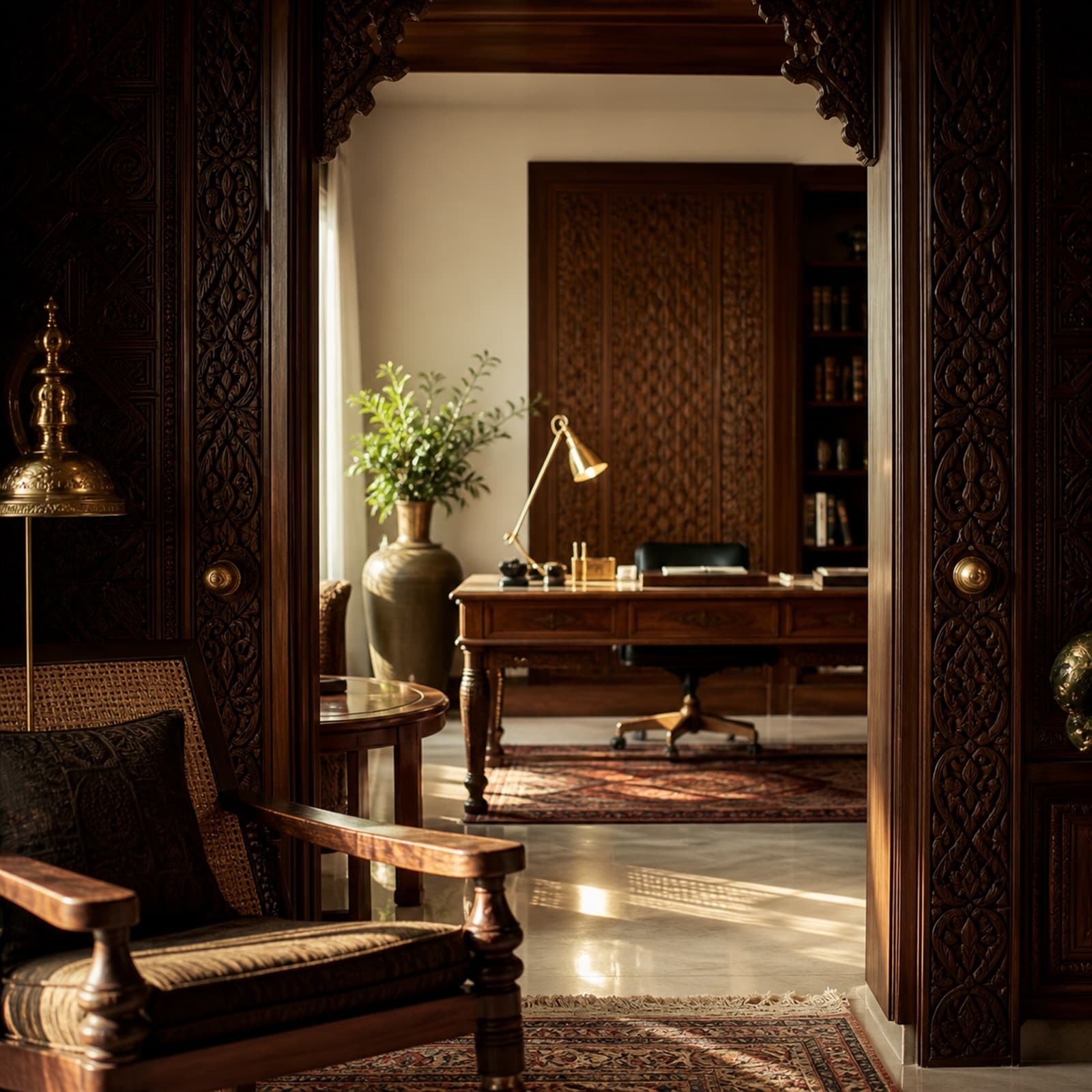
Walnut finish is a rich, deep-brown stain applied over the wood surface after carving and sanding, deepening the natural tone and giving a more uniform, formal look than a natural or lighter polish.
How they combine in practice
Cost: choosing a finish doesn't change the wood cost — it's the wood species (sheesham vs. tali) that moves price. Look: walnut finish darkens whatever wood is underneath. Maintenance: both need the same occasional re-polishing regardless of finish color.
When to ask for walnut finish specifically
If you want a darker, more formal look — common for dining sets and TV consoles — ask for walnut finish on your sheesham piece. If you prefer the wood's natural lighter tone, ask for natural polish instead.
Bottom line
Don't think of it as "sheesham vs. walnut" — think "sheesham wood, walnut finish" as one combination among several. Tell us the wood and the finish color separately when you order.